
The Scale of Capital: Why Saving Feels Hard (Until It Doesn’t)
Oct 28, 2025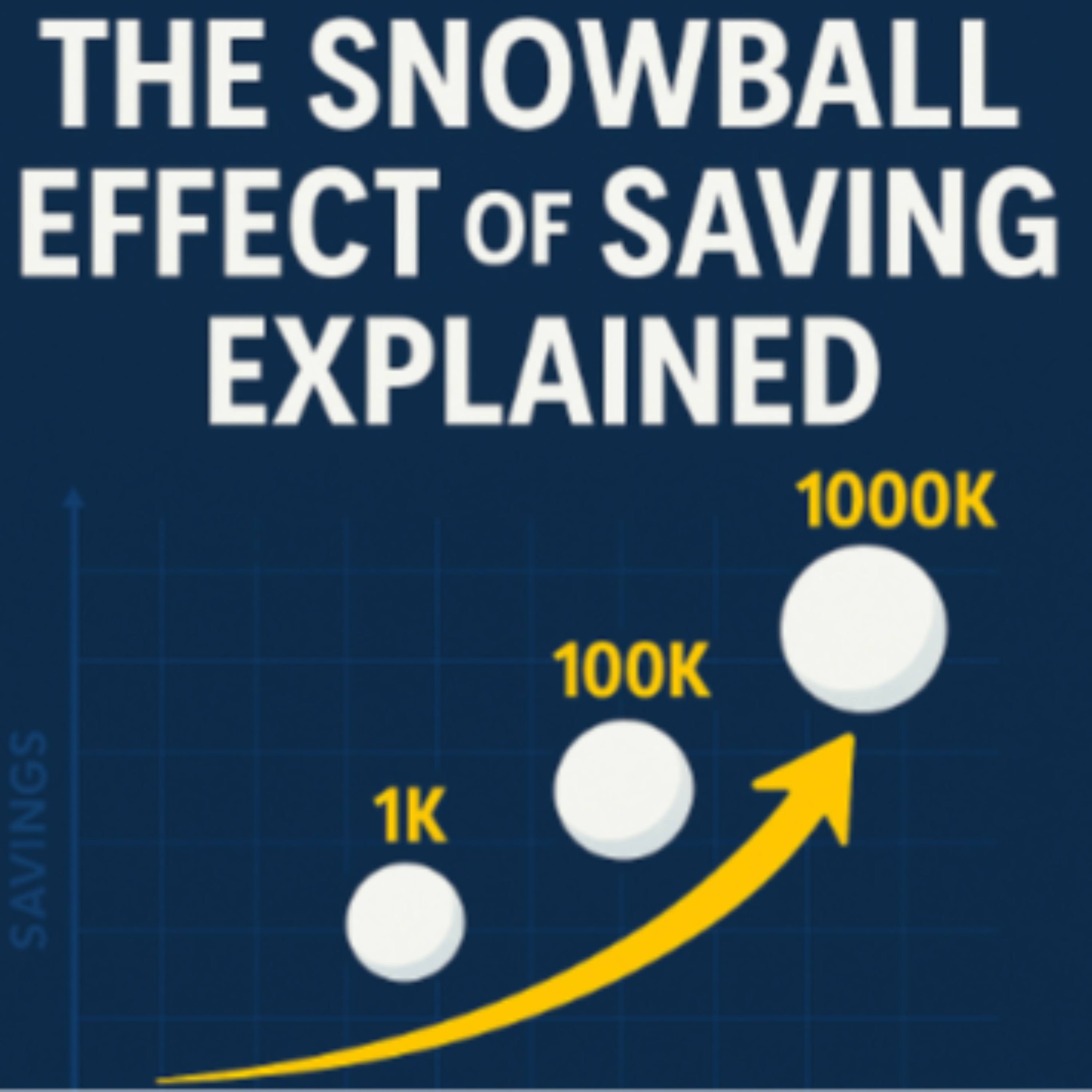
If you’ve ever tried to build a pension or ISA pot, you’ll know this feeling: you’re putting money in each month, but it’s like throwing pebbles into a bottomless well.
It’s slow. It’s dull. It doesn’t feel like it’s working.
But what if I told you that’s exactly how it’s supposed to feel at the beginning?
And that, if you stick with it, something called the scale of capital kicks in. And then the magic happens.
Meet John.
John’s a typical business owner in his late 30s. A few years ago, he started putting £300 a month into a pension. Nothing fancy—just regular contributions into a diversified fund.
In year 1, he saved £3,600.
By year 7, he’d hit £30,000.
By year 14, he was at £100,000.
“Not bad,” he thought. But he wasn’t prepared for what happened next.
By year 19, his pension doubled again to £200,000.
By year 35, he had £1.1 million.
He’d only contributed £126,000 across that whole 35-year period. The rest came from compound growth—earning returns on your returns, year after year, until the snowball is massive.
Why the First £10k Feels So Hard
This is what no one tells you at the beginning: your early savings feel like they’re doing nothing.
It might take 10 months to save your first £1,000. It could take 7 years to hit £10,000. That’s normal. That’s scale working against you at first.
But once you pass a tipping point, scale starts working for you.
£100,000 might take you 23 years to save…
But your next £100,000 could arrive just six years later.
And the £100,000 after that? Just three years after that.
It’s not magic. It’s maths. It’s compound interest.
(And if you’ve never heard of the Rule of 72, now’s the time to look it up.)
The Harsh Truth for Company Directors
According to a recent BBC report, most self-employed people in the UK have no pension savings at all. None.
If you’re a company director, you are the pension provider. No one’s going to step in and build that pot for you. Which means you need to take control now.
Whether it’s £100 or £300 a month, the key is starting today.
Use a pension for the tax benefits.
Use ISAs for flexibility.
Use discipline to stay the course.
Final Thought: Capital Builds Confidence
By the time John was in his 60s, he wasn’t just enjoying his money, he was giving £1,000 a month to each of his two daughters, and the ISA was still growing.
That’s the power of scale. And that’s what you deserve too.
📺 Want Business Advice You Can See in Action?
Subscribe to the AskJT YouTube channel for weekly videos on tax tips, time-saving tools, and strategies to grow your business — explained in plain English.
Want More Practical Business Advice?
Every Thursday, I send out a short, sharp roundup of the week’s best content: a podcast, blog, YouTube video, and a 60-second tip to help you grow.
No spam. No fluff. Just ideas that work.
